
Eine Nachricht hinterlassen
Wenn Sie an unseren Produkten interessiert sind und mehr Details erfahren möchten, hinterlassen Sie bitte hier eine Nachricht. Wir werden Ihnen so schnell wie möglich antworten.

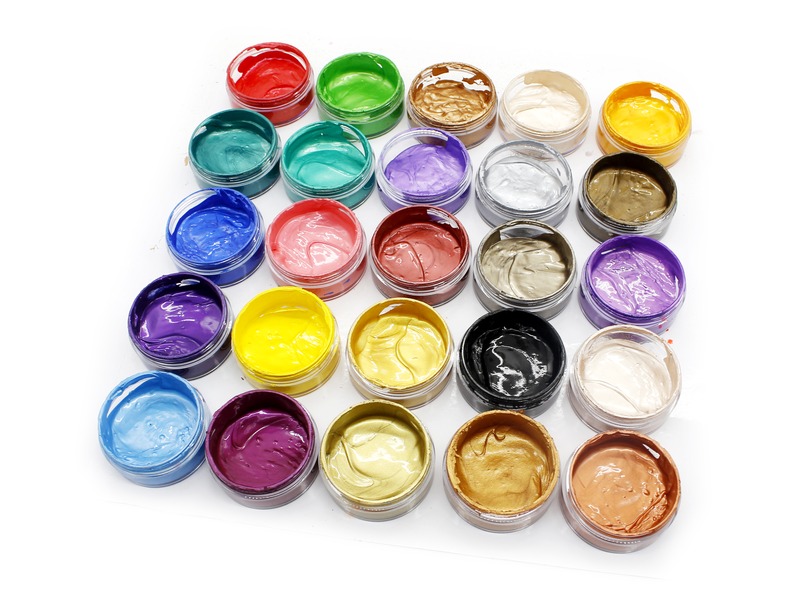
Water-based, solvent-based and matte epoxy color pastes: which carrier your system takes, how to judge the addition level, and what each looks like cured.
Artikelnummer :
Metallic Luster Paste, water based — KT-66000J series; Metallic Luster Paste, solvent based — KT-D86011J series; Epoxy Resin Matte Paste, color — KT-D6413J series; Epoxy Resin Matte Paste, near-nude matte — KT-D70601J seriesFarbeffekt :
Luster series — semi-transparent metallic, reads by reflection and shifts with viewing angle; Matte series — opaque solid color with a flat finishPartikelgröße :
Not specified in the current range documentation; state your target on enquiryZusammensetzung :
Pigment already wetted out and dispersed in a carrier — water for the water-based series, solvent for the solvent-based and matte seriesMarke :
KolortekMindestbestellmenge :
5 kgAnwendung :
Epoxy resin casting and wood-and-resin work; waterborne systems where the paste is used as supplied or thinned with waterA metallic color paste is a jar of pigment that has already been dispersed — wetted out and milled into a carrier before it reaches you. The carrier decides what you can do with it. Two jars can carry the same color name and still belong to different systems, so the carrier on the label matters more than the name on the lid.
Unscrew the lid and you find a paste, not a powder. It sits in the jar with a wet sheen across the surface, holds a peak where the scoop pulled away, and comes out on a spatula or a stick to be weighed straight into a batch.
That texture is the point. The pigment inside has already been wet out and dispersed into a carrier, so the step where you would normally run powder through a bead mill or a three-roll mill has been completed before the jar was filled. What arrives is a suspension you meter by weight and stir in.
What it is not: a concentrate you dilute to taste, or a universal tint that drops into anything. The liquid around the pigment is a specific carrier chosen for a specific resin system, and that liquid is what decides whether you can open the jar and use it, or whether it has to be blended into something else first.
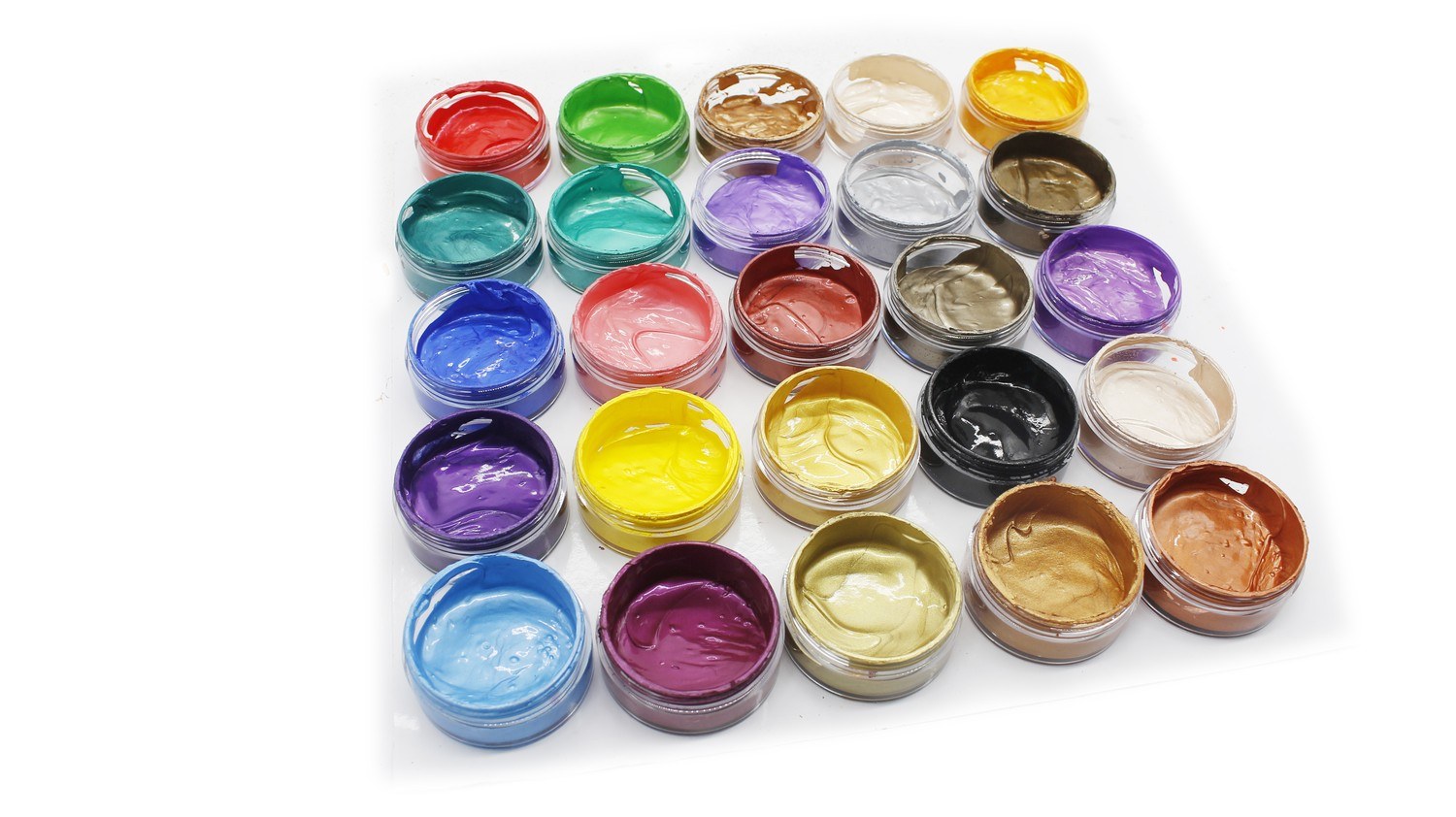
Fig. 1 — Jars opened and laid out as a set on white; paste, not powder, in every one.
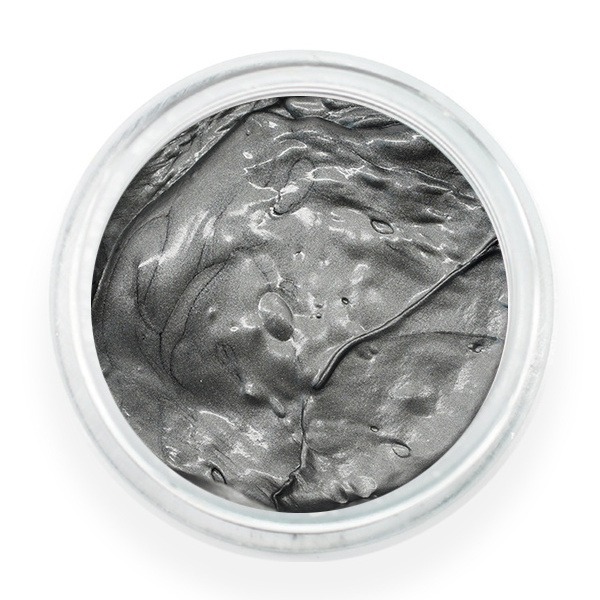
Fig. 2 — Surface of a single jar: the wet gloss and the wave left by the last scoop.
The answer depends on the carrier, and the two main groups split cleanly on exactly this point.
Water-based metallic luster grades can be used as supplied or thinned with water. You open the jar, stir, and add; dilution is optional and done with water alone, so there is no separate let-down step to plan around. If you are running a waterborne system, the jar is already the finished component.
Solvent-based grades are added into epoxy resin. They are not a stand-alone coating but an input to a resin batch — weighed in and mixed until the color is uniform through the pour. The epoxy matte grades go into the resin as well rather than over it. This means you cannot judge these by dipping a stick in the jar: the color you see wet is not the color you get until the paste is inside resin and cured.
That single difference decides a purchase more often than color does, because a jar that has to be let down is a different purchase from a jar that can go straight in. If you are pouring resin, the epoxy application listing under pigments for epoxy resin is organized by the system the paste belongs in rather than by color name.
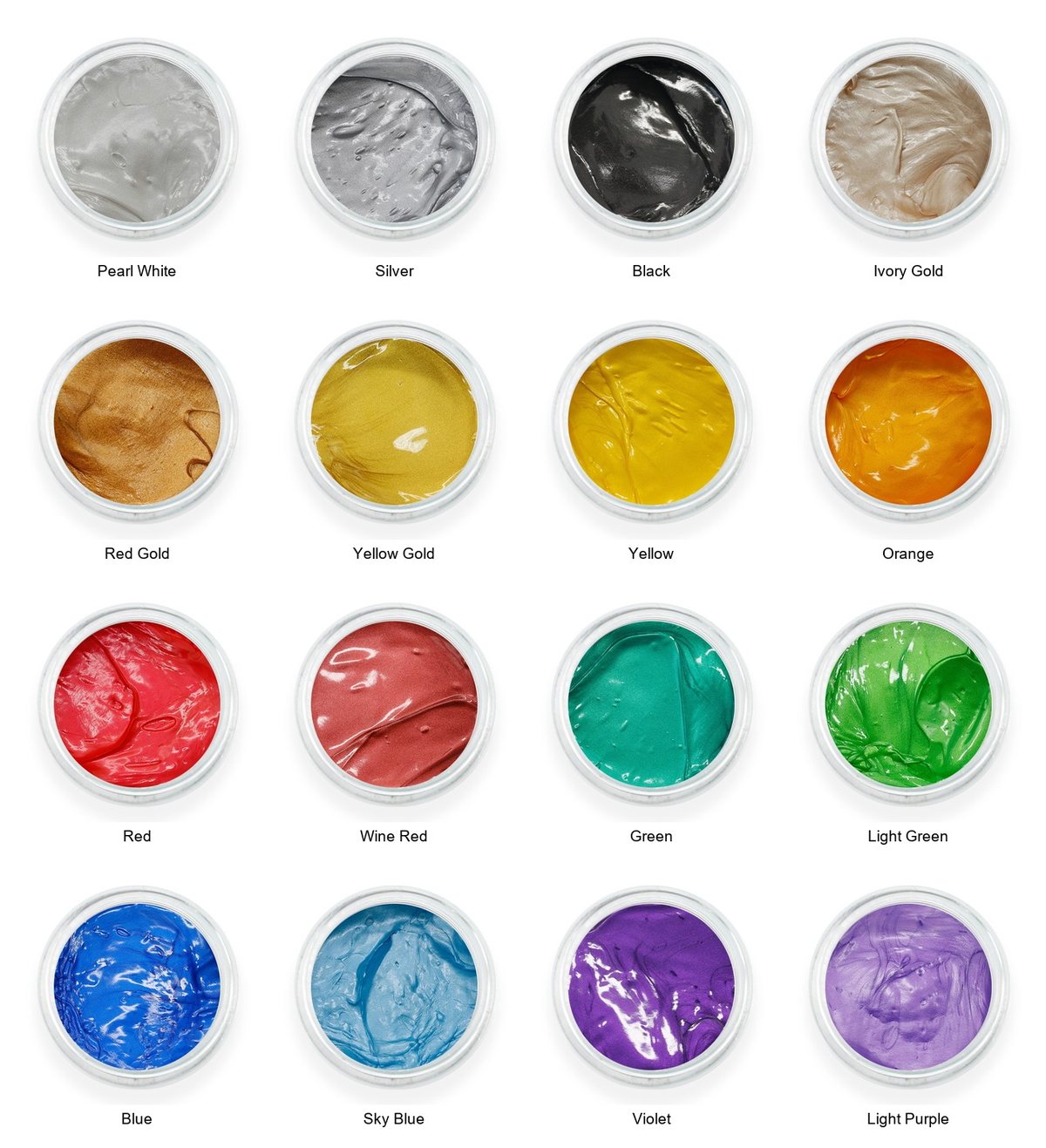
Fig. 3 — Water-based metallic luster range laid out jar by jar.
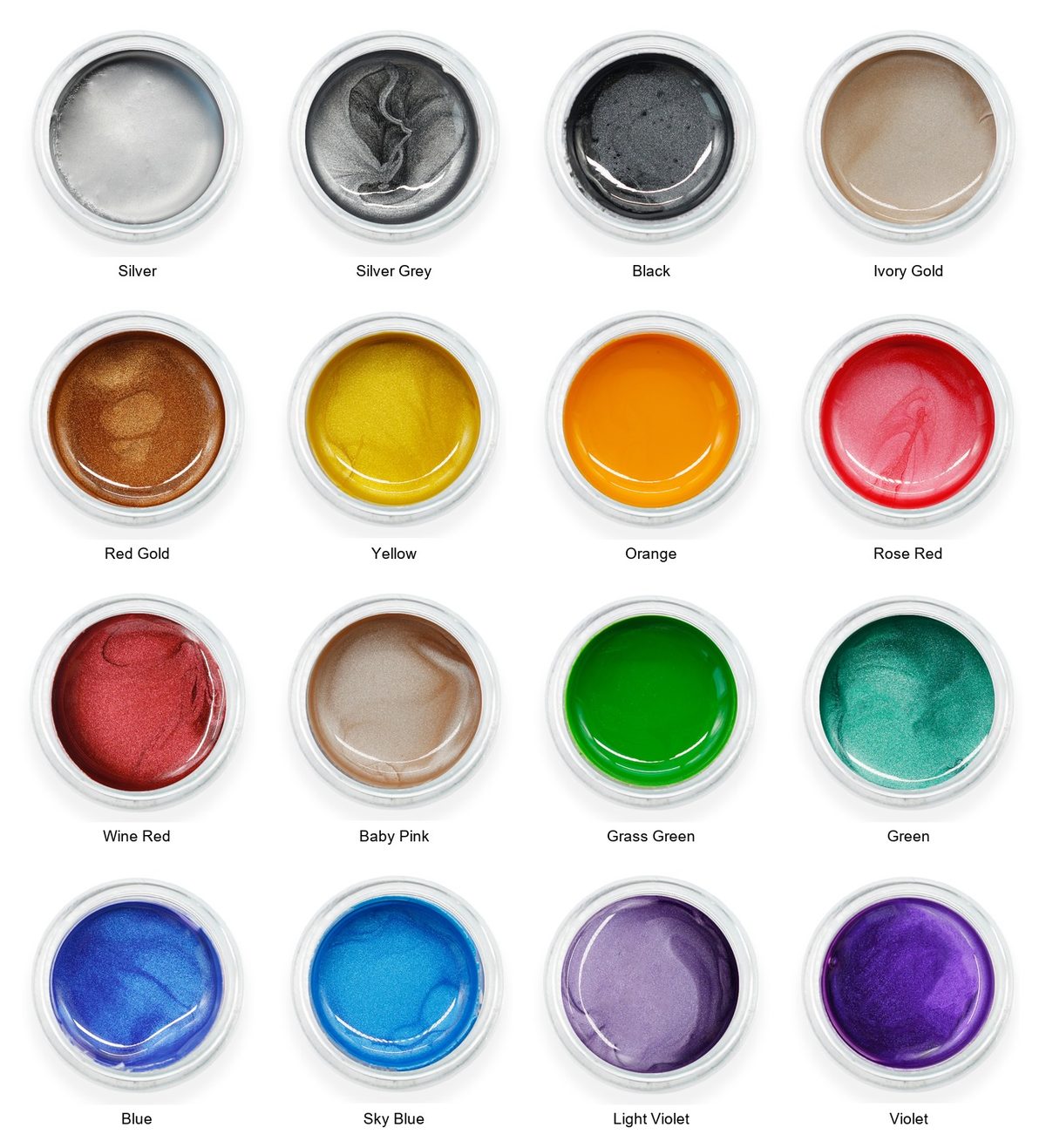
Fig. 4 — Solvent-based metallic luster range: overlapping color names, different carrier.
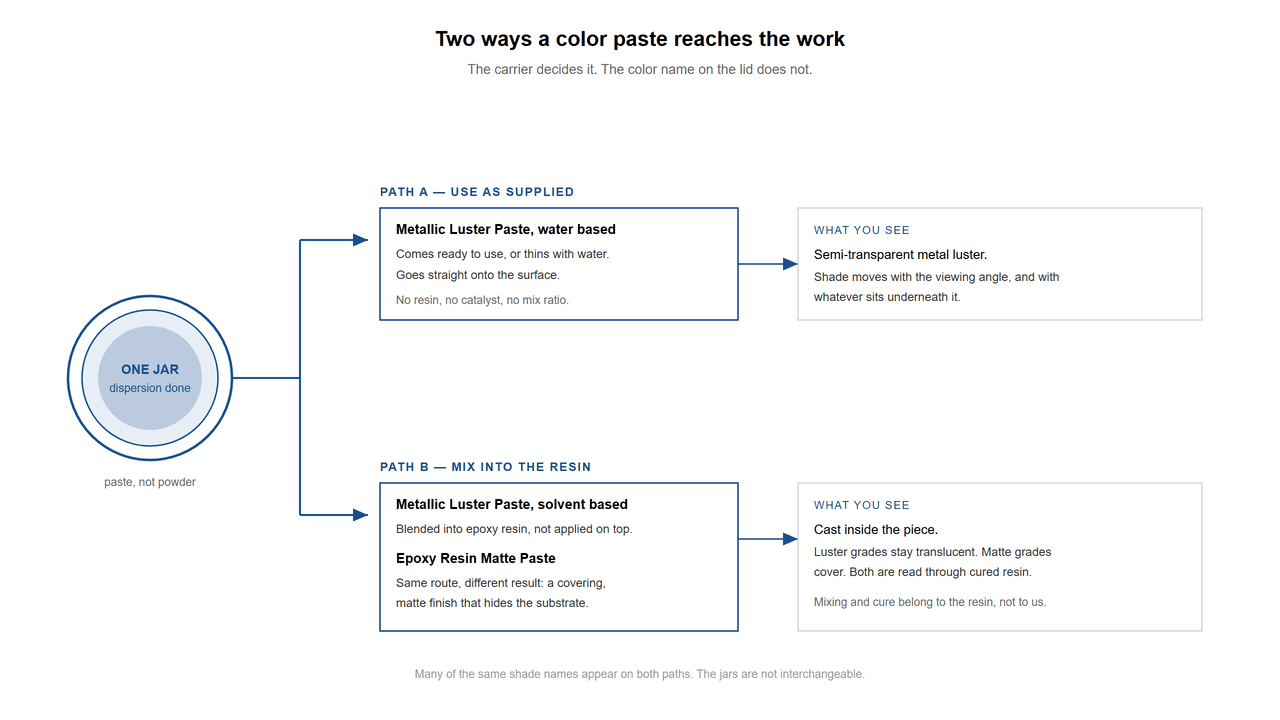
Fig. 5 — Where each carrier goes: used as supplied, or blended into the resin.
Cure changes the appearance, and the two sides finish differently.
Metallic luster grades cure semi-transparent. The effect works by reflection rather than hiding power, so the surface underneath stays visible and the color shifts as the viewing angle moves. Over a dark pour the same paste reads deeper; over a pale one it reads lighter and more open. That interaction is what you are buying, and it needs a substrate worth showing — a clear or tinted cast, a clear coat, a surface with some depth in it.
Epoxy matte grades cure as opaque solid color. They cover what is beneath them instead of interacting with it, and the finish is flat rather than reflective. The luster side depends on depth underneath; the matte side depends on consistent film thickness, because coverage is what carries the color.
The two are not interchangeable inside one application. Choosing between them is choosing what the cured surface should do. To see the luster family inside finished castings before you commit, the pearlescent pigments for epoxy resin applications page shows the same effect in cured resin.
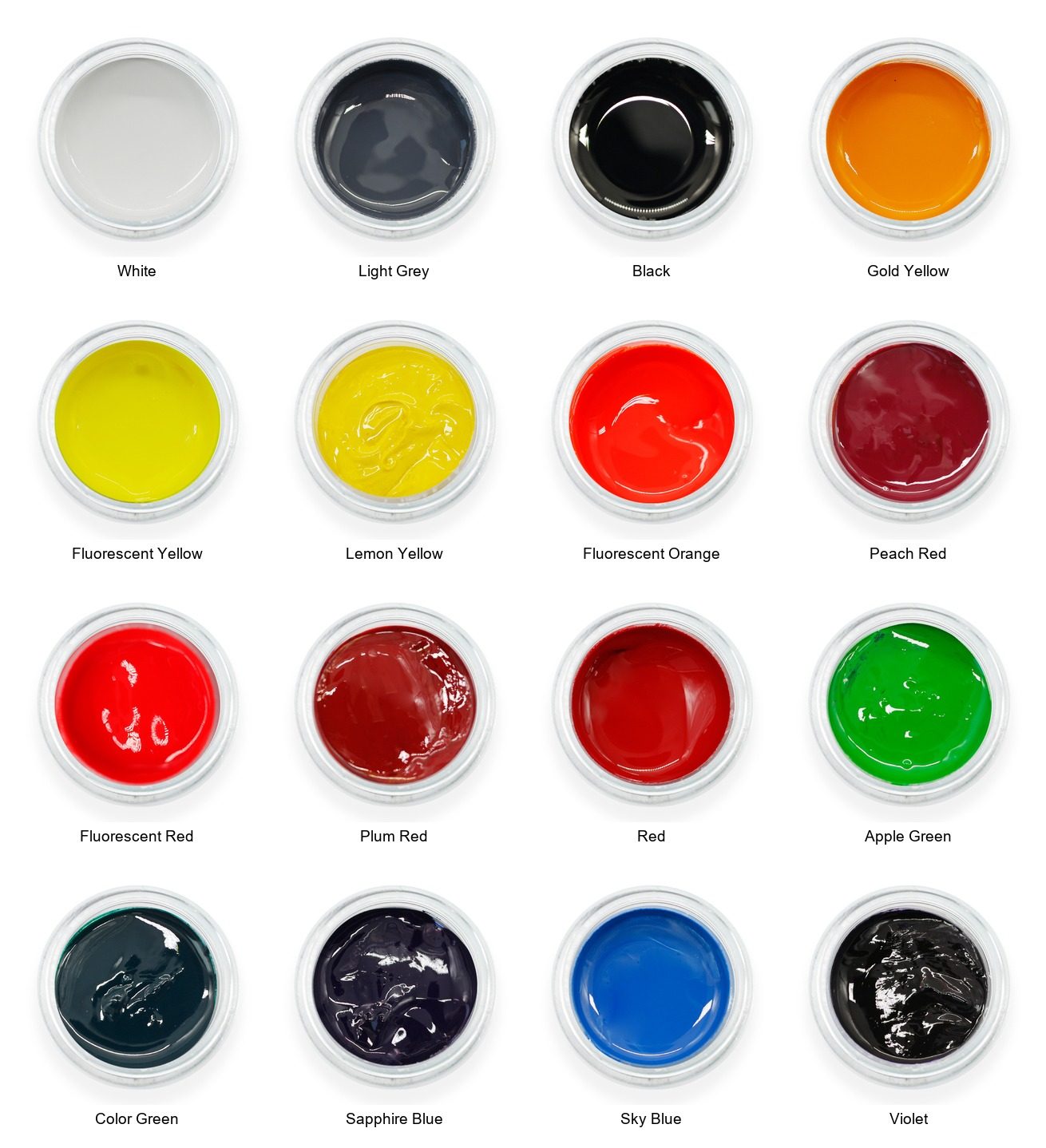
Fig. 6 — Epoxy resin matte range, jar by jar: opaque and flat.
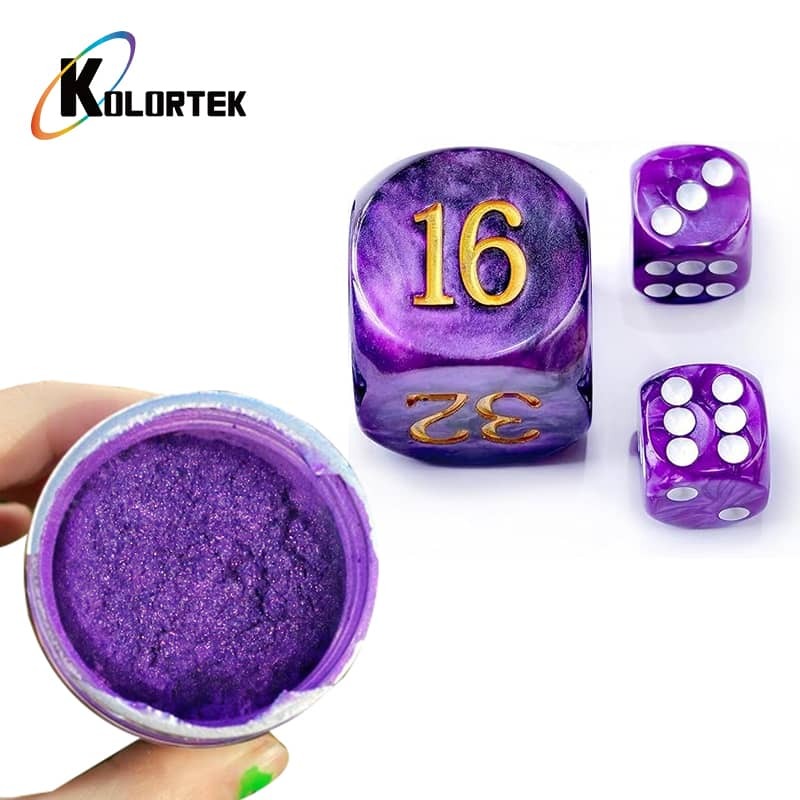
Fig. 7 — Cured purple dice beside the jar they came out of.
No addition percentage is quoted here, because the right figure depends on your resin, your film thickness and the depth of color you are aiming for. What can be given is the method.
Start small. Add a weighed portion to a small weighed batch, mix until it is uniform, and cure a sample. Judge the cured piece, not the wet mix — a wet stirred batch always looks stronger than the finished cast.
Read coverage first. If the cured sample still shows the substrate where you wanted hiding, add and repeat. If it has gone heavier than intended, you have found the ceiling for that batch and can step back on the next one.
If something goes wrong in cure — soft patches, uneven hardening, a surface that stays tacky — check the addition level and the mixing uniformity before you suspect the paste. An overloaded or poorly blended batch behaves like a resin problem, and usually is one. If you would rather control loading from the pigment end, metallic pigment color powder solutions is the alternative route, with the dispersion step back on your side.
The range separates along carrier and finish, not along color. Read down the carrier column first; the color comes second.
| Family | Carrier | How it is used |
|---|---|---|
| Metallic Luster Paste, water based | Water | Used as supplied, or thinned with water. Semi-transparent metallic effect in waterborne systems. |
| Metallic Luster Paste, solvent based | Solvent | Added into epoxy resin. Semi-transparent metallic effect, mixed into the batch. |
| Epoxy Resin Matte Paste, color | Solvent | Added into epoxy resin. Opaque solid color, matte finish. |
| Epoxy Resin Matte Paste, near-nude matte | Solvent | Added into epoxy resin. Opaque near-nude tone, matte finish. |
The metallic luster side is a single effect with two carriers, listed under the metal luster series; the broader effect category sits under pearlescent pigments if you want to compare a paste against a powder of the same character.
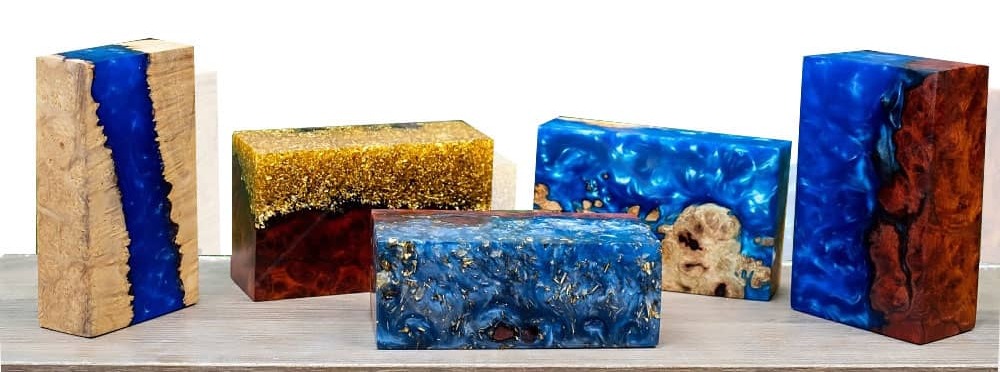
Fig. 8 — Wood-and-resin pieces cast with paste from the range.
Minimum order is 5 kg, so a first purchase is a working quantity rather than a single jar. We are ISO 9001:2015 certified. Halal, Kosher, US FDA registration, SGS, RoHS and REACH documentation is provided on request; ask for what your market needs when you enquire.
A custom sample pack is available for evaluation if you want to test the carrier against your own resin before committing to the minimum. The full selection, with carriers and color names side by side, is in the catalog: Color Pastes (No. 39).
Can water-based paste go into epoxy? No. Water-based grades are built for waterborne systems and are used as supplied or thinned with water. For epoxy, take the solvent-based or the epoxy matte grade.
Can the two carriers be mixed? They are not blended together. Each jar belongs to the system its carrier was chosen for, and crossing them defeats the reason the carrier is specified.
Will it affect cure? Cure problems usually trace back to addition level or uneven mixing rather than the paste itself. Trial on your own batch, and check loading and mixing before changing anything else.
Tell us the resin system you are pouring and the finish you want — metallic through-depth or opaque matte — and we will point you to the carrier that fits it. Samples available for evaluation on request.
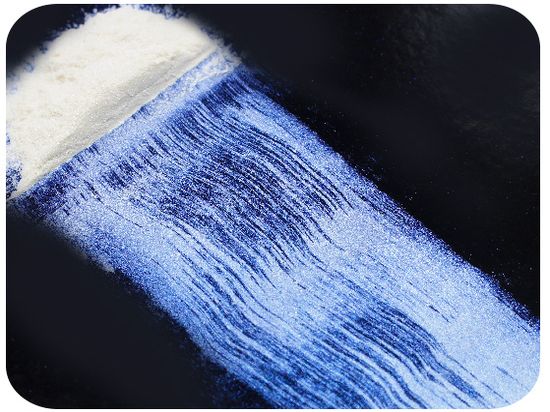
KT-T60-22-WR Rainbow Violet XiallicSparks ist unser direktes Äquivalent zu Xirallic T60-22 – einem Al₂O₃-Violett-Effektpigment auf Aluminiumoxid-Flockenbasis anstelle von Glimmer. Mit einem Brechungsindex von 1,76 und einer Partikelgröße von 6–30 μm erzeugt es den scharfen, facettierten Kristallglanz, der hochwertige Autolacke auszeichnet. Während Pigmente auf Glimmerbasis ein weiches, diffuses Leuchten erzeugen, bietet Ihnen diese Sorte präzise, spiegelähnliche Highlights mit außergewöhnlicher Farbsättigung und Farbreinheit im Regenbogenviolett-Effekt.
MEHR LESEN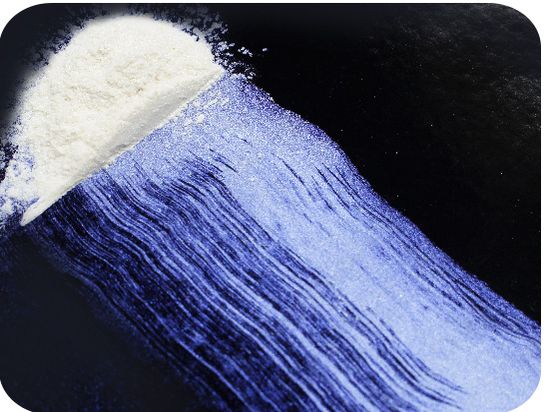
KT-T60-23-WR ist unser Aluminiumoxid-basiertesXirallic-Ersatz-Galaxy-Blue Das Pigment wurde als direkte Alternative zu Merck Xirallic T60-23 entwickelt. Es basiert auf einem Al₂O₃-Kristallsubstrat mit hohem Brechungsindex (RI 1,76) und einer Partikelgröße von 6–30 μm und erzeugt in Automobil-Basislacksystemen einen facettierten, kristallklaren blauen Schimmer – eine Tiefe und Brillanz, die mit Glimmerpigmenten strukturell nicht erreicht werden kann.
MEHR LESEN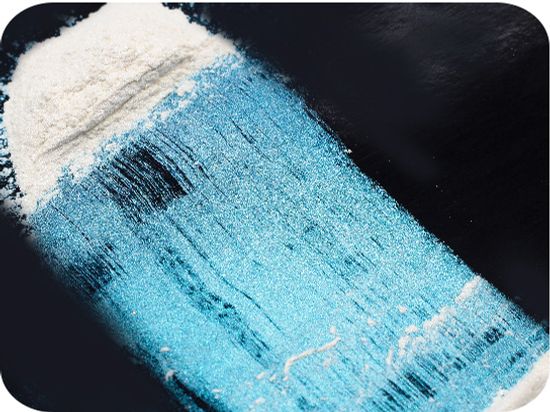
KT-T60-25-WR ist ein Aluminiumoxid-Pigment (Al₂O₃) mit Kristalleffekt aus unserer XiallicSparks-Serie. Es erzeugt einen leuchtenden Regenbogengrün-Schimmer mit der facettierten, hochbrillanten Optik, die man von erstklassigen OEM-Autolackierungen kennt. Mit einer Partikelgröße von 6–30 μm und einem Brechungsindex des Al₂O₃-Substrats von 1,76 – deutlich höher als bei Standardglimmer – bietet dieses regenbogengrüne Al₂O₃-Pigment außergewöhnliche Farbsättigung und Klarheit in Basislack-/Klarlacksystemen zum Direktpreis ab Werk.
MEHR LESEN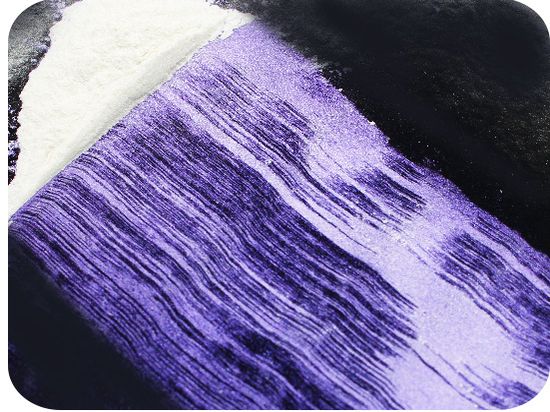
KT-T60-26-WR Rainbow Purple ist ein auf Aluminiumoxid basierendes Kristalleffektpigment aus unserer XiallicSparks-Serie, das in Basislack-Klarlack-Systemen für Automobile einen lebendigen, regenbogenfarbenen violetten Schimmer erzeugt. Es basiert auf einem Al₂O₃-Flockensubstrat – nicht auf Glimmer – und bietet dadurch eine höhere Farbsättigung, schärfere Highlights und eine bessere Flockenausrichtung als herkömmliche Perlglanzpigmente. Mit einer Partikelgröße von 6–30 μm und einem D50-Wert von 9–11 μm wurde es speziell für hochwertige OEM- und Reparaturlackierungen im Automobilbereich entwickelt, bei denen ein markanter, kristallartiger violetter Schimmer gewünscht ist.
MEHR LESEN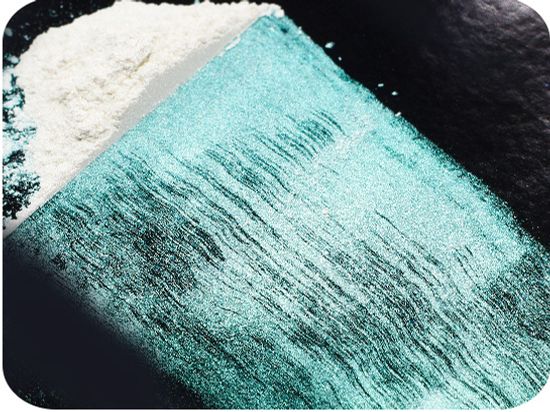
XiallicSparks ist Kolorteks Produktlinie von Aluminiumoxid-Effektpigmenten, die in großen Mengen erhältlich ist und als direkte Alternative zu Merck Xirallic® für Erstausrüster (OEM) der Automobilindustrie sowie für hochwertige Industrielackierungen entwickelt wurde. Die Serie basiert auf einem Al₂O₃-Flockensubstrat anstelle von Glimmer und erzeugt den facettierten, kristallartigen Glanz, der hochwertige Automobillackierungen auszeichnet – und das zu Preisen direkt ab Werk, die in der Regel 20–40 % unter denen vergleichbarer Merck-Produkte liegen. Wenn Sie eine Alternative zu Xirallic® im Großhandel suchen, sollten Sie diese Produktlinie in Betracht ziehen.
MEHR LESEN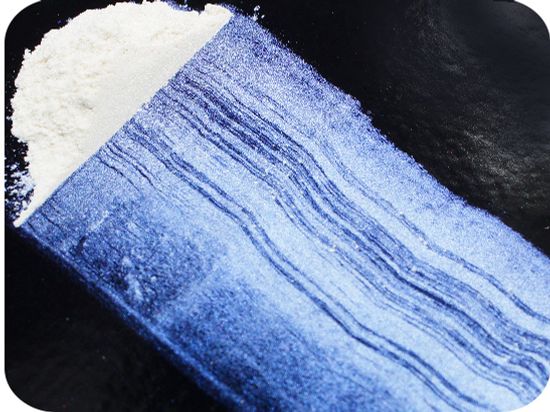
Wenn Sie eine Quelle für eine/nXirallic-Äquivalent direkt vom Hersteller Für alle, die das gleiche Aluminiumoxid-Kristallsubstrat benötigen, das den charakteristischen facettierten Glanz von Merck Xirallic erzeugt, bietet die XiallicSparks-Serie von Kolortek (Produktcodes KT-T60 und KT-F60) genau diesen Effekt zu 20–40 % geringeren Kosten als vergleichbare Markenprodukte. Mit elf Varianten in Farben von Galaxy Silver bis Flame Copper, Partikelgrößen von 6–30 μm und direkter Werkslieferung aus China sind diese Produkte die ideale Alternative für Hersteller von Automobillacken, die hohe Leistung ohne den hohen Preis von Merck wünschen.
MEHR LESEN
 Deutsch
 English
 Français
 Русский
 Español
 Português