Eine Nachricht hinterlassen
Wenn Sie an unseren Produkten interessiert sind und mehr Details erfahren möchten, hinterlassen Sie bitte hier eine Nachricht. Wir werden Ihnen so schnell wie möglich antworten.

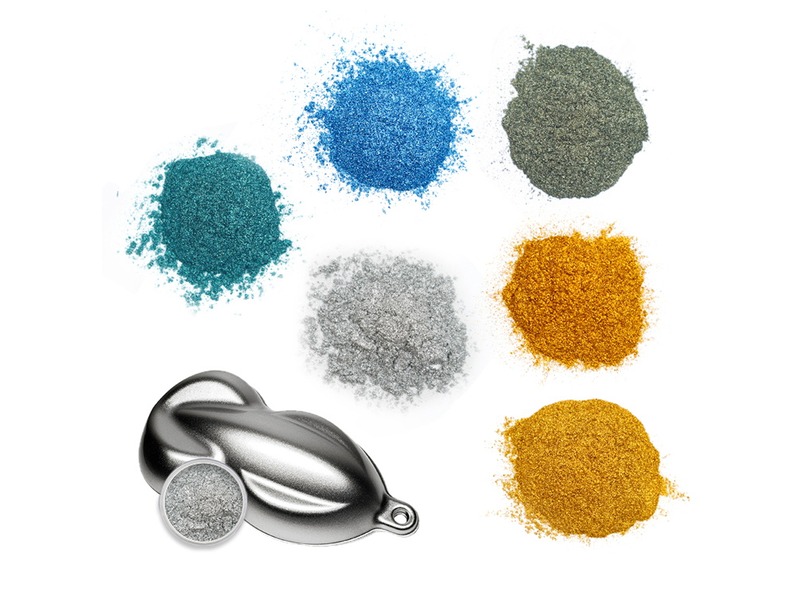
Dry powder listed for face and eye-area use, plus mirror silver paste in solvent, water and holographic grades. Confirm market and shipping class first.
Artikelnummer :
Aluminum Pigment Powders; Aluminum Silver PasteFarbeffekt :
Fine Silver, Metallic Silver, Shine Silver, Glitter Metallic Silver, Olive Green, Dragon Gold, Shine Flame Red, plus mirror silver and holographic pastesPartikelgröße :
Powder 15–145 μm; paste 8–35 μmZusammensetzung :
Aluminum flake; paste grades are the same flake pre-dispersed in a solvent or a passivated water carrierMarke :
Kolortek / OEMMindestbestellmenge :
Confirmed per form and destination portAnwendung :
Coatings, printing inks, nail systems, plastics and decorative finishesAluminum pigment leaves us in one of two containers, and the container decides more than the colour does. Dry powder is listed for face and eye-area use and ships as general goods. Silver paste is a liquid, classified as dangerous goods. Settle those two points against your market and your forwarder before you compare shades.
Before you compare shades
Powder: face and eye-area listing, general goods.
Paste: dangerous goods, released only after the documentation check.
Waterborne paste: passivated, and not a drop-in for the solvent grade.
The same metal is supplied in two forms. What differs is what the flake is packed in, and that affects how each form is handled and shipped.
| Property | Dry powder | Silver paste |
|---|---|---|
| Physical form | Dry powder | Flake held in a liquid carrier |
| Listed for | Face and eye-area use | Nail use at the fine end; industrial coatings and printing |
| Particle size | 15–145 μm | 8–35 μm |
| Transport | General goods | Dangerous goods; sample and shipment release confirmed with our documentation team first |
| Shear | Dry blending and low-shear dispersion | Low shear; holographic flake can lose its pattern under excessive shear |
The powder range covers 15–45, 35–55, 35–75, 55–75 and 55–145 μm. Paste sizes are 8, 10, 12, 20 and 35 μm. These ranges describe the available particle sizes; which one suits a job depends on its application and finish.
Two buyers asking for the same colour may therefore need different checks before shipment. The form determines whether the dangerous-goods confirmation applies.
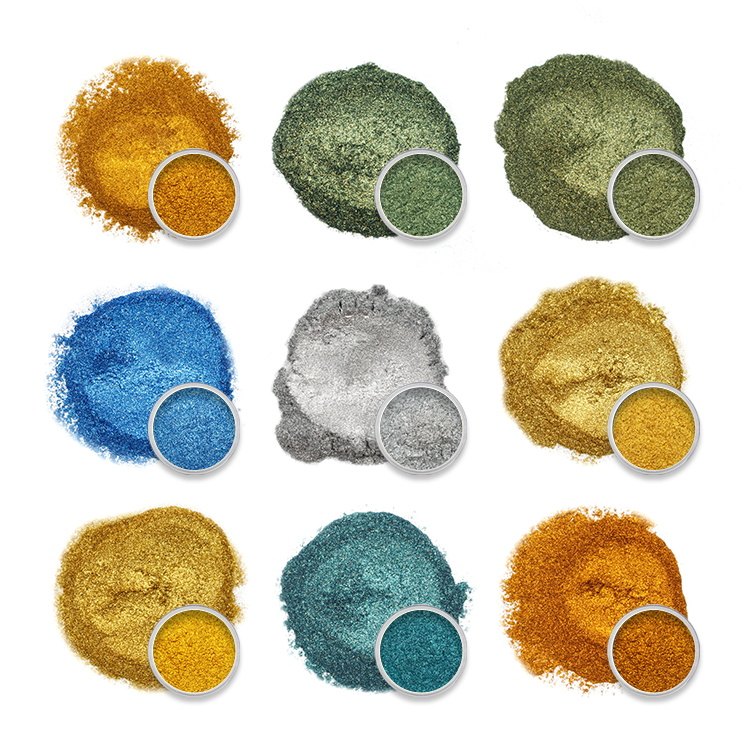
Fig. 1 — Powder range with the sampling jars it is despatched in.
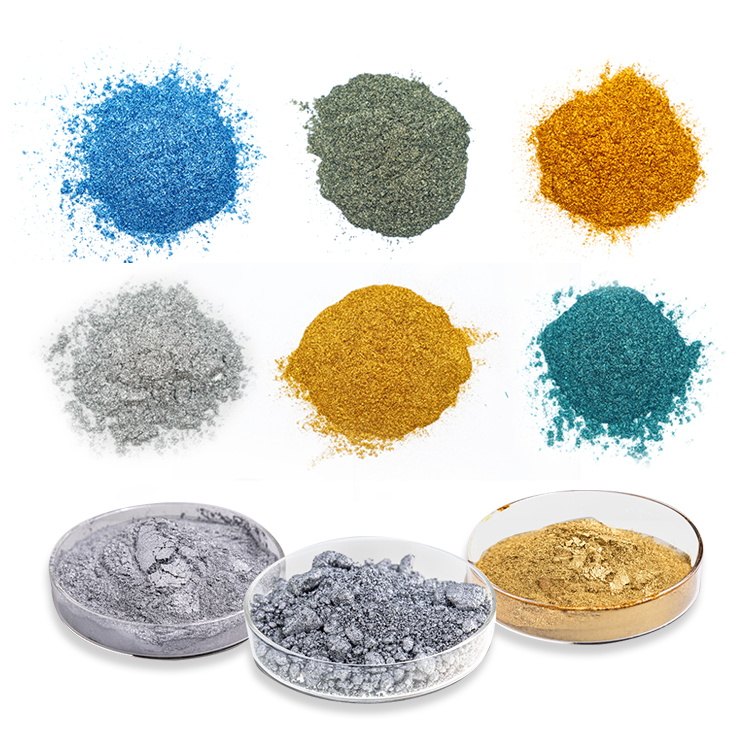
Fig. 2 — The same metal twice: dry powder, and the paste it becomes once wet out.
Colour is the third question. Two come first, and a no to either one ends the discussion before shading is reached.
The first is market access: can this form be listed in the market you sell into? The powder range is listed for face and eye-area use. The finest paste grades are listed for nail use, and the paste also serves industrial coatings and printing. If your product touches skin near the eyes, that distinction helps determine which form to consider.
The second is logistics: can this form reach your factory? The paste is classified as dangerous goods, and sample and shipment release are confirmed with our documentation team first. This is the point buyers most often meet after a price has been agreed: the forwarder still needs to be considered. Ask early, with a destination port in mind, so the shipping route can be checked.
Both questions have the same shape. They are yes or no, they are settled before colour, and a no on either means the rest of this page belongs to someone else's process.
If the paste is headed for an industrial coating rather than a nail or print job, the wider context is our pigments for paints and coatings range.
And if the finish you actually want is a pearlescent metallic look rather than true metal flake, this is the fork: metal luster series.
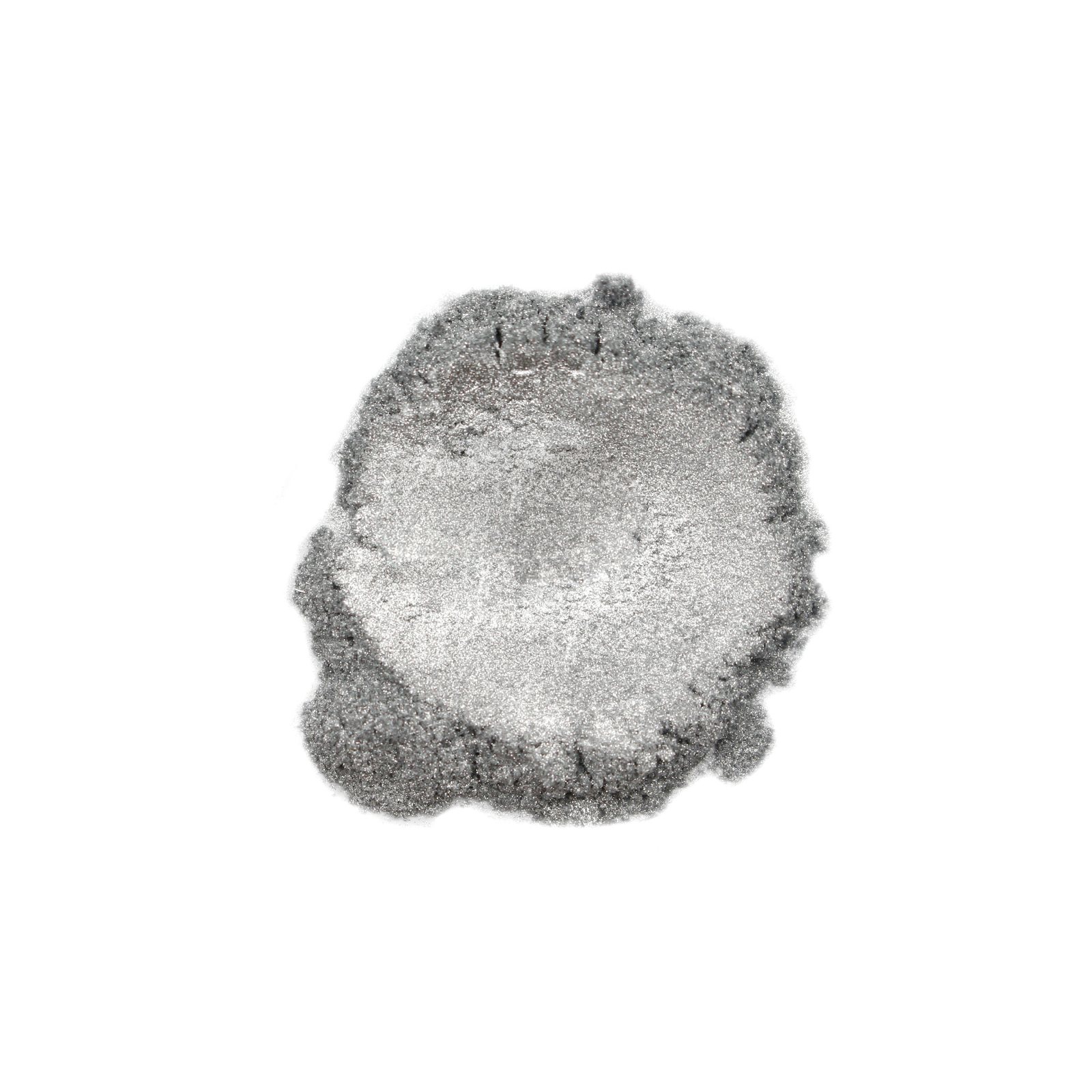
Fig. 3 — The silver face of the dry powder, close in.
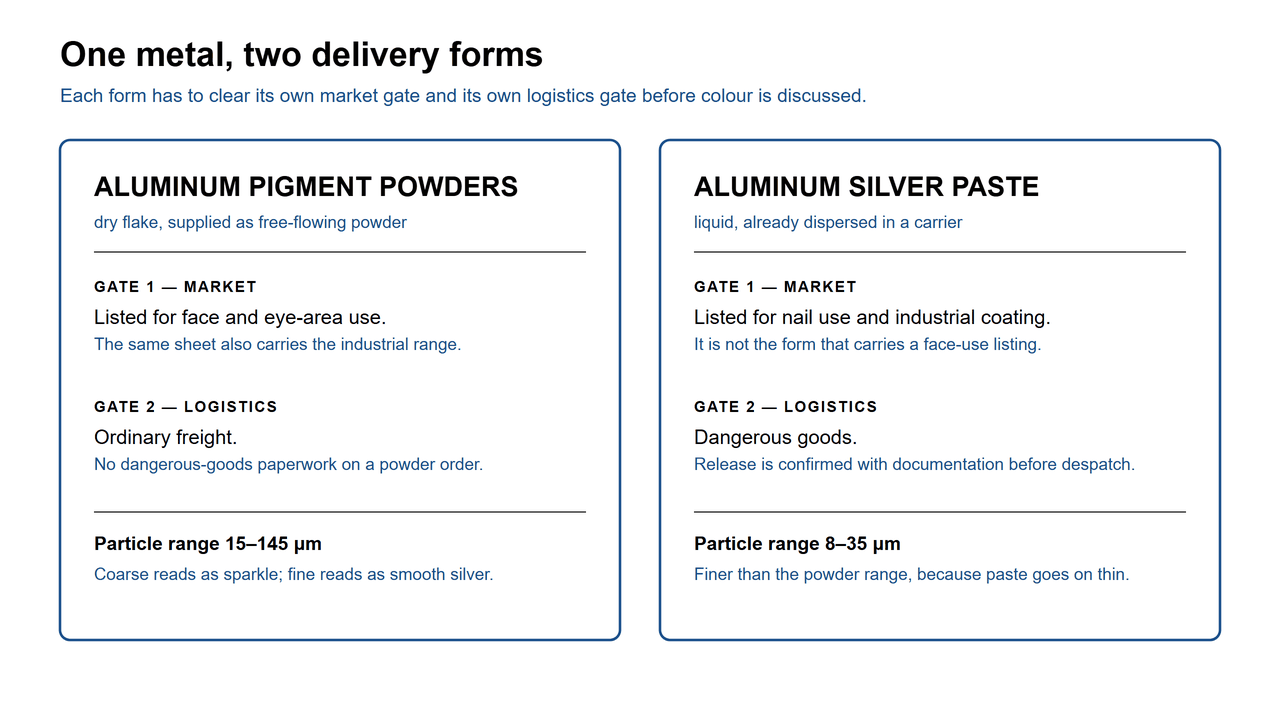
Fig. 4 — Where powder and paste diverge on market listing and transport class.
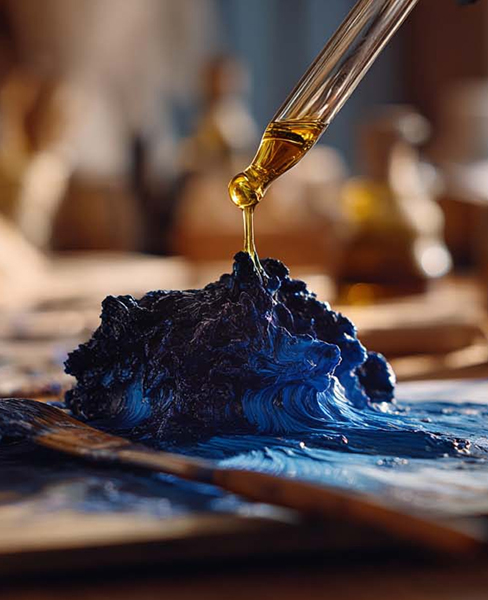
The paste is not one product in several colours. It splits by what carries the flake, and the carrier helps determine which application it belongs in.
| Paste | Carrier and effect | Where it belongs |
|---|---|---|
| Nail, fine particle | Finest cut, mirror face | Nail systems |
| Solvent type | Solvent carrier, standard mirror | Coatings and printing that already run solvent |
| Waterborne | Water carrier, passivated surface | Systems that must be water-based |
| Holographic, solvent | Embossed diffraction pattern, solvent carrier | Accent effects in solvent systems |
| Holographic, waterborne | Embossed pattern, passivated, water carrier | Accent effects in water-based systems |
Waterborne is not the solvent grade with the solvent swapped out. Aluminum reacts with water and gives off hydrogen, so untreated flake will do exactly that in a water-based binder. The waterborne grades are passivated at the surface to limit it. Treat the waterborne paste as a different material, not a substitution.
The holographic grades work by a different mechanism again. The diffraction pattern is embossed onto the flake rather than carried as a dye, so shear is not only a dispersion question for them — it is an appearance question.
Choosing between them is therefore a question about your system rather than about the effect. The binder, the film weight and the substrate all narrow the carrier before colour is reached, which is why a colour name on its own rarely identifies the right paste.
The fine-particle paste is listed for nail work — pigments for nail art.
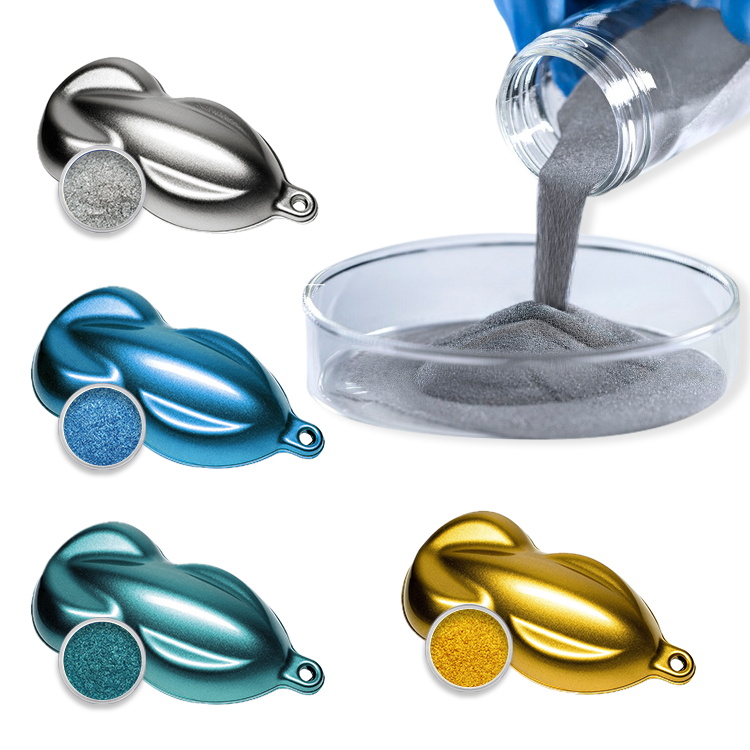
Fig. 5 — Paste poured over test parts: the form you can meter into a batch.
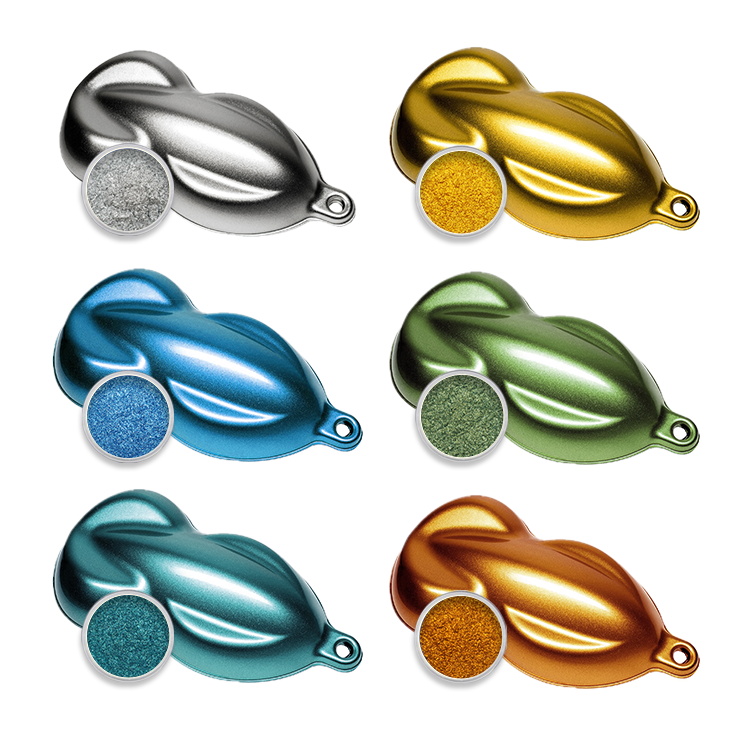
Fig. 6 — Mirror silver and gold reading on curved parts.
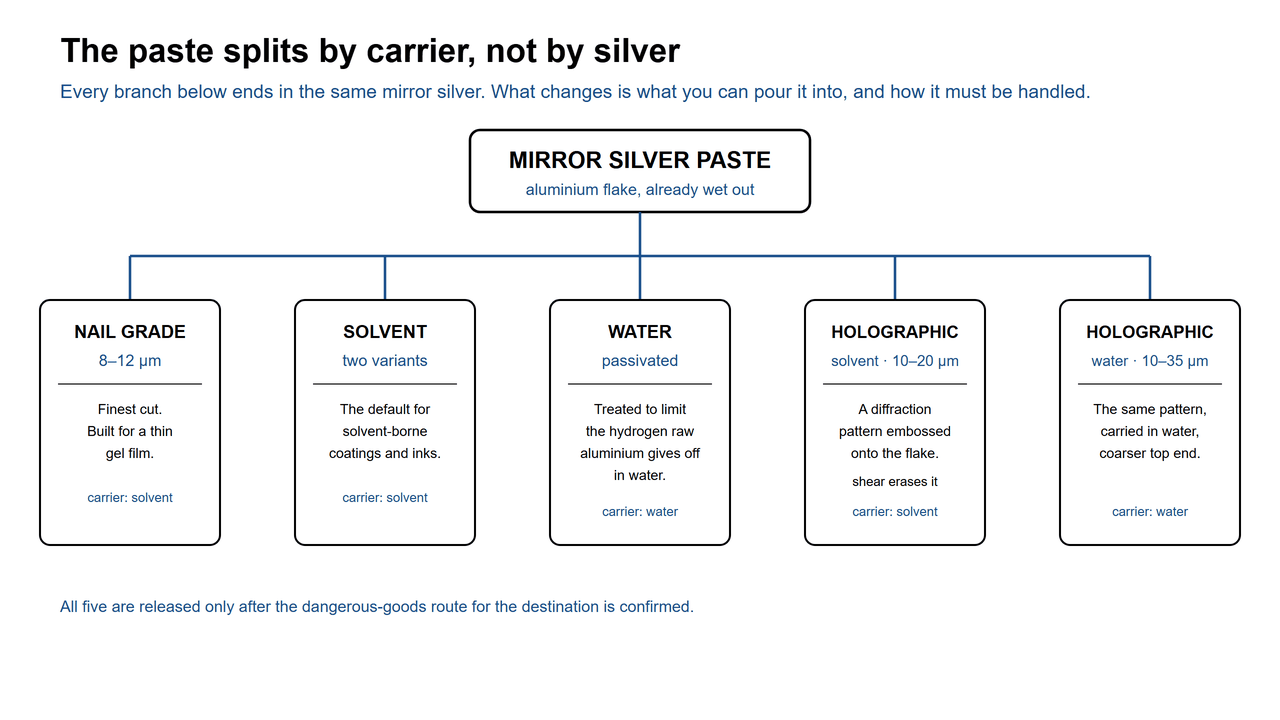
Fig. 7 — The paste split by carrier, and what each carrier rules in or out.
Powder can be dry blended or dispersed at low shear. Keep the flakes intact during dispersion.
Paste goes in last, and is thinned first. Dilute it in a portion of the carrier before adding it to the main batch, then stir at low shear. Adding it last reduces its contact with water and with reactive components in the batch.
Apply thin coats in several passes rather than one heavy coat.
Holographic grades are shear-sensitive for the reason above. Low shear, added last, and no ball milling if you want the pattern back on the finished surface.
If you would rather buy a form you can disperse yourself, epoxy resin color powder is another option.
Load rate follows the application rather than a single house figure. Screen printing uses 20–50% pigment by weight, gravure 20–30%, and spray at 10% or below. The binder and film weight help determine where inside those ranges to start.
Run a loading series on your substrate to determine a suitable level for the process. Two systems using the same paste at the same percentage can still read differently, because the film weight and the substrate are doing half the work.
Print work and its load ranges sit with our pigments for printing range. Manufacturing is certified to ISO 9001:2015, and further documentation is provided on request.
The powder range, its size cuts and its applications are set out in the catalog: Aluminum Pigment Powders.
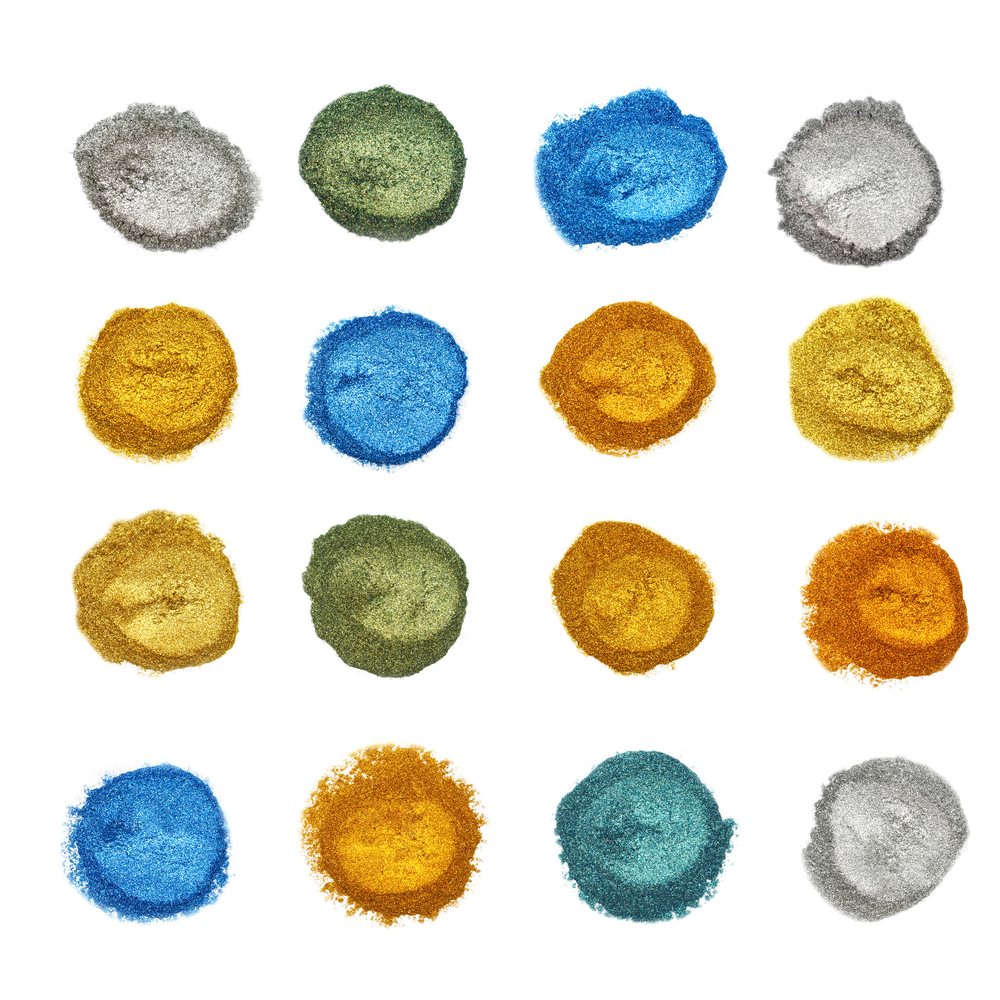
Fig. 8 — The powder colour range as it is presented for selection.
Can it go into a water-based system?
Only the waterborne paste grades. Untreated aluminum gives off hydrogen in water, and the waterborne grades are passivated to limit it. Powder into a water-based binder needs checking for compatibility.
Holographic or standard mirror silver?
Holographic carries a diffraction pattern embossed onto the flake; mirror silver is a plain reflecting face. The pattern can be damaged by excessive shear.
Can powder and paste be swapped?
No. They have different market listings, transport rules and mixing rules. Swapping one for the other changes your qualification, not only your handling.
Before a sample leaves us, we need the market you sell into, the form you are considering and how you apply it. If the form is paste, the destination port comes with it, because the sample is released only once the dangerous-goods route is confirmed.
Send those four points and we will confirm the grade and the shipping route together — tell us your market, your form, your application and your port, and we will answer with the paste or powder that fits it.
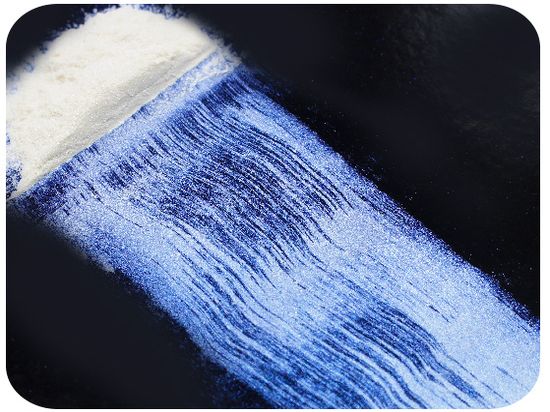
KT-T60-22-WR Rainbow Violet XiallicSparks ist unser direktes Äquivalent zu Xirallic T60-22 – einem Al₂O₃-Violett-Effektpigment auf Aluminiumoxid-Flockenbasis anstelle von Glimmer. Mit einem Brechungsindex von 1,76 und einer Partikelgröße von 6–30 μm erzeugt es den scharfen, facettierten Kristallglanz, der hochwertige Autolacke auszeichnet. Während Pigmente auf Glimmerbasis ein weiches, diffuses Leuchten erzeugen, bietet Ihnen diese Sorte präzise, spiegelähnliche Highlights mit außergewöhnlicher Farbsättigung und Farbreinheit im Regenbogenviolett-Effekt.
MEHR LESEN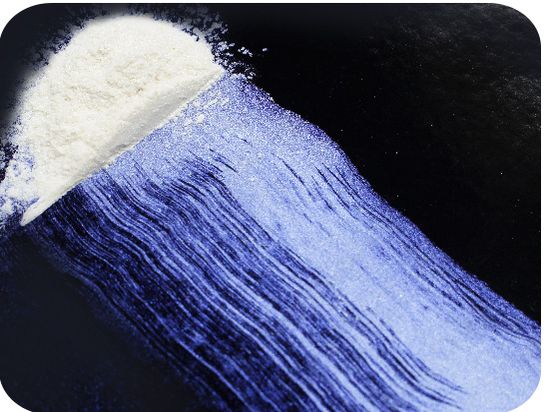
KT-T60-23-WR ist unser Aluminiumoxid-basiertesXirallic-Ersatz-Galaxy-Blue Das Pigment wurde als direkte Alternative zu Merck Xirallic T60-23 entwickelt. Es basiert auf einem Al₂O₃-Kristallsubstrat mit hohem Brechungsindex (RI 1,76) und einer Partikelgröße von 6–30 μm und erzeugt in Automobil-Basislacksystemen einen facettierten, kristallklaren blauen Schimmer – eine Tiefe und Brillanz, die mit Glimmerpigmenten strukturell nicht erreicht werden kann.
MEHR LESEN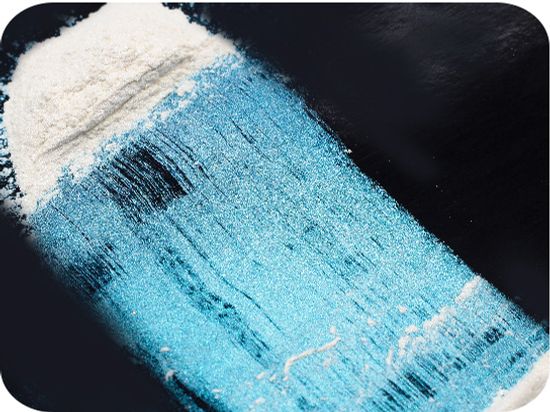
KT-T60-25-WR ist ein Aluminiumoxid-Pigment (Al₂O₃) mit Kristalleffekt aus unserer XiallicSparks-Serie. Es erzeugt einen leuchtenden Regenbogengrün-Schimmer mit der facettierten, hochbrillanten Optik, die man von erstklassigen OEM-Autolackierungen kennt. Mit einer Partikelgröße von 6–30 μm und einem Brechungsindex des Al₂O₃-Substrats von 1,76 – deutlich höher als bei Standardglimmer – bietet dieses regenbogengrüne Al₂O₃-Pigment außergewöhnliche Farbsättigung und Klarheit in Basislack-/Klarlacksystemen zum Direktpreis ab Werk.
MEHR LESEN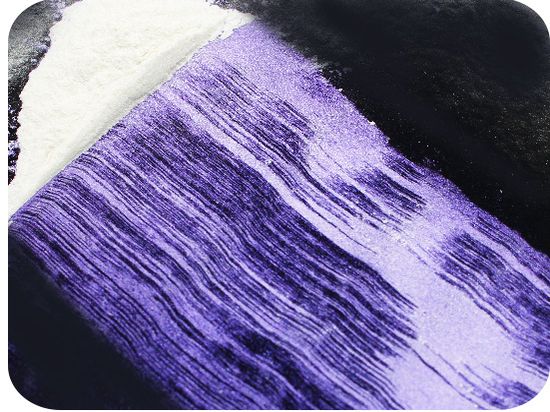
KT-T60-26-WR Rainbow Purple ist ein auf Aluminiumoxid basierendes Kristalleffektpigment aus unserer XiallicSparks-Serie, das in Basislack-Klarlack-Systemen für Automobile einen lebendigen, regenbogenfarbenen violetten Schimmer erzeugt. Es basiert auf einem Al₂O₃-Flockensubstrat – nicht auf Glimmer – und bietet dadurch eine höhere Farbsättigung, schärfere Highlights und eine bessere Flockenausrichtung als herkömmliche Perlglanzpigmente. Mit einer Partikelgröße von 6–30 μm und einem D50-Wert von 9–11 μm wurde es speziell für hochwertige OEM- und Reparaturlackierungen im Automobilbereich entwickelt, bei denen ein markanter, kristallartiger violetter Schimmer gewünscht ist.
MEHR LESEN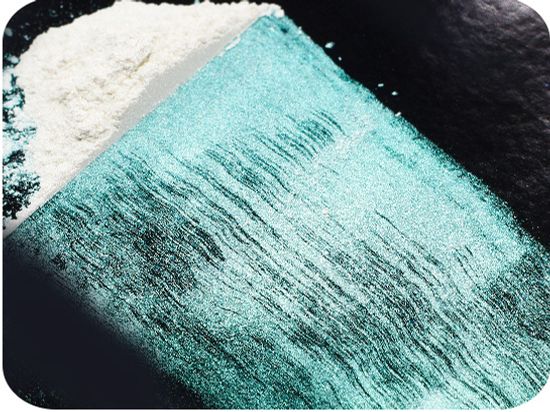
XiallicSparks ist Kolorteks Produktlinie von Aluminiumoxid-Effektpigmenten, die in großen Mengen erhältlich ist und als direkte Alternative zu Merck Xirallic® für Erstausrüster (OEM) der Automobilindustrie sowie für hochwertige Industrielackierungen entwickelt wurde. Die Serie basiert auf einem Al₂O₃-Flockensubstrat anstelle von Glimmer und erzeugt den facettierten, kristallartigen Glanz, der hochwertige Automobillackierungen auszeichnet – und das zu Preisen direkt ab Werk, die in der Regel 20–40 % unter denen vergleichbarer Merck-Produkte liegen. Wenn Sie eine Alternative zu Xirallic® im Großhandel suchen, sollten Sie diese Produktlinie in Betracht ziehen.
MEHR LESEN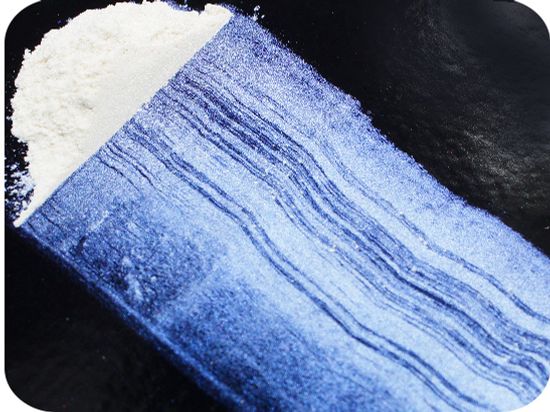
Wenn Sie eine Quelle für eine/nXirallic-Äquivalent direkt vom Hersteller Für alle, die das gleiche Aluminiumoxid-Kristallsubstrat benötigen, das den charakteristischen facettierten Glanz von Merck Xirallic erzeugt, bietet die XiallicSparks-Serie von Kolortek (Produktcodes KT-T60 und KT-F60) genau diesen Effekt zu 20–40 % geringeren Kosten als vergleichbare Markenprodukte. Mit elf Varianten in Farben von Galaxy Silver bis Flame Copper, Partikelgrößen von 6–30 μm und direkter Werkslieferung aus China sind diese Produkte die ideale Alternative für Hersteller von Automobillacken, die hohe Leistung ohne den hohen Preis von Merck wünschen.
MEHR LESEN
 Deutsch
 English
 Français
 Русский
 Español
 Português